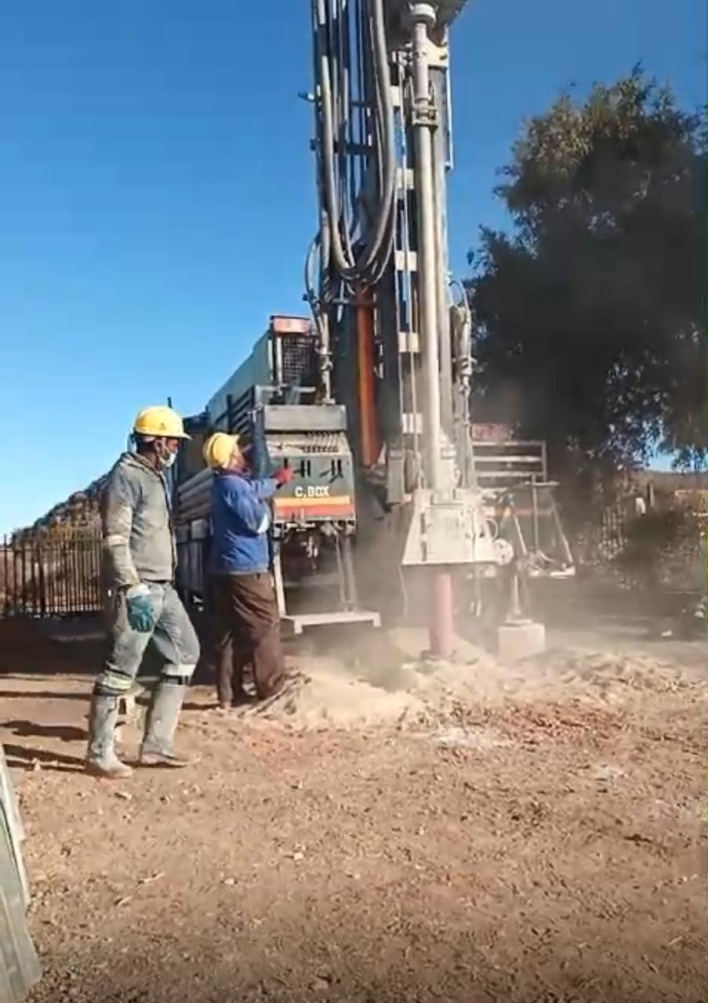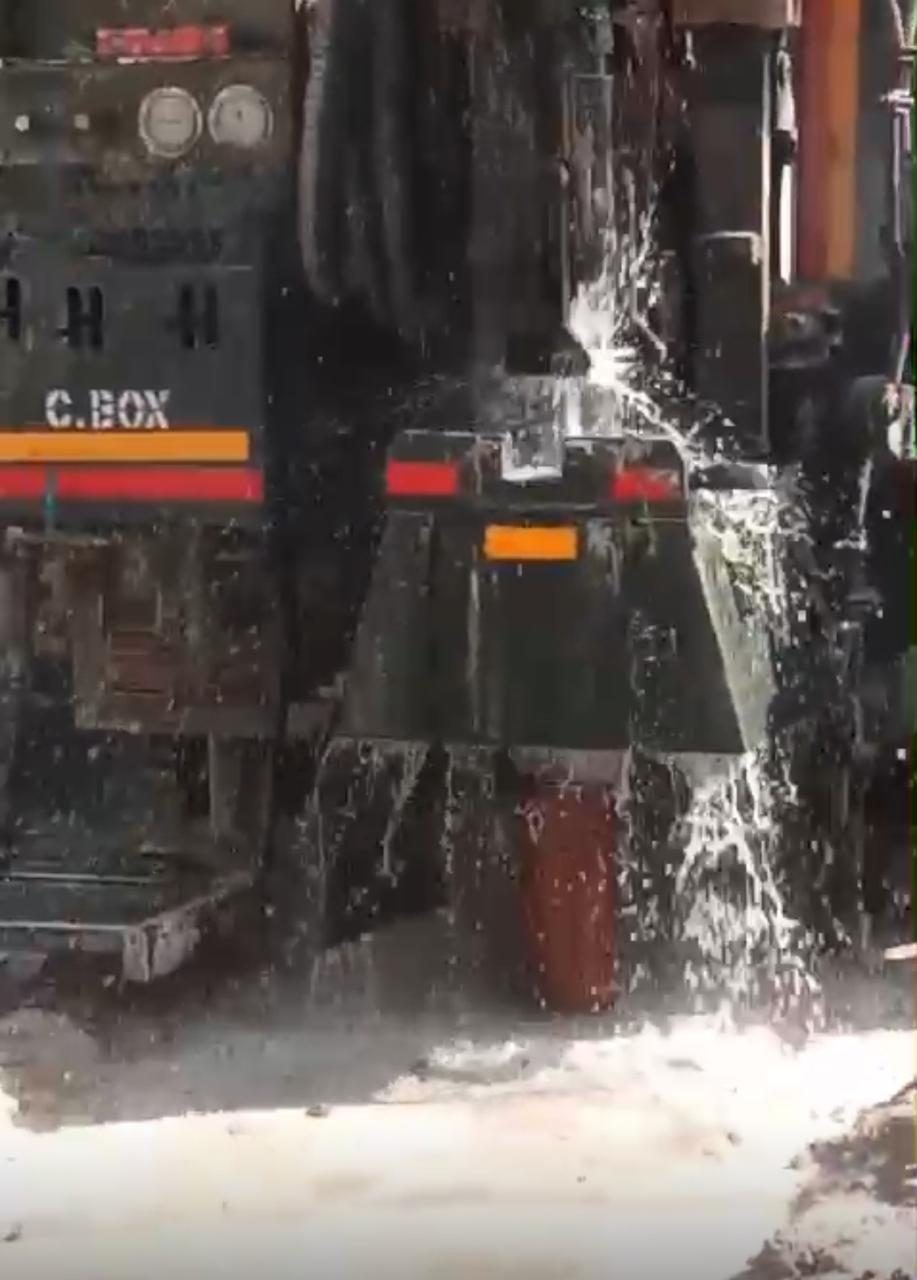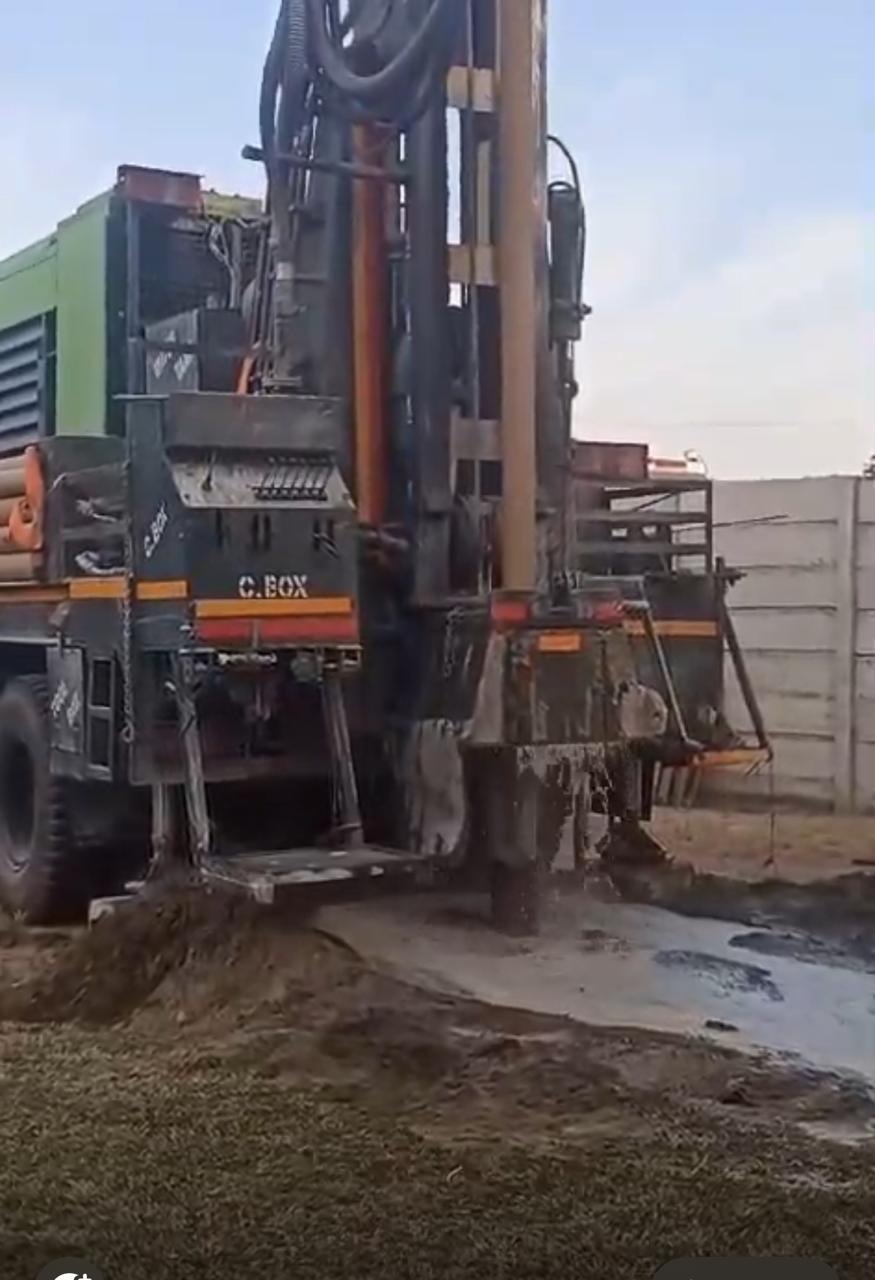
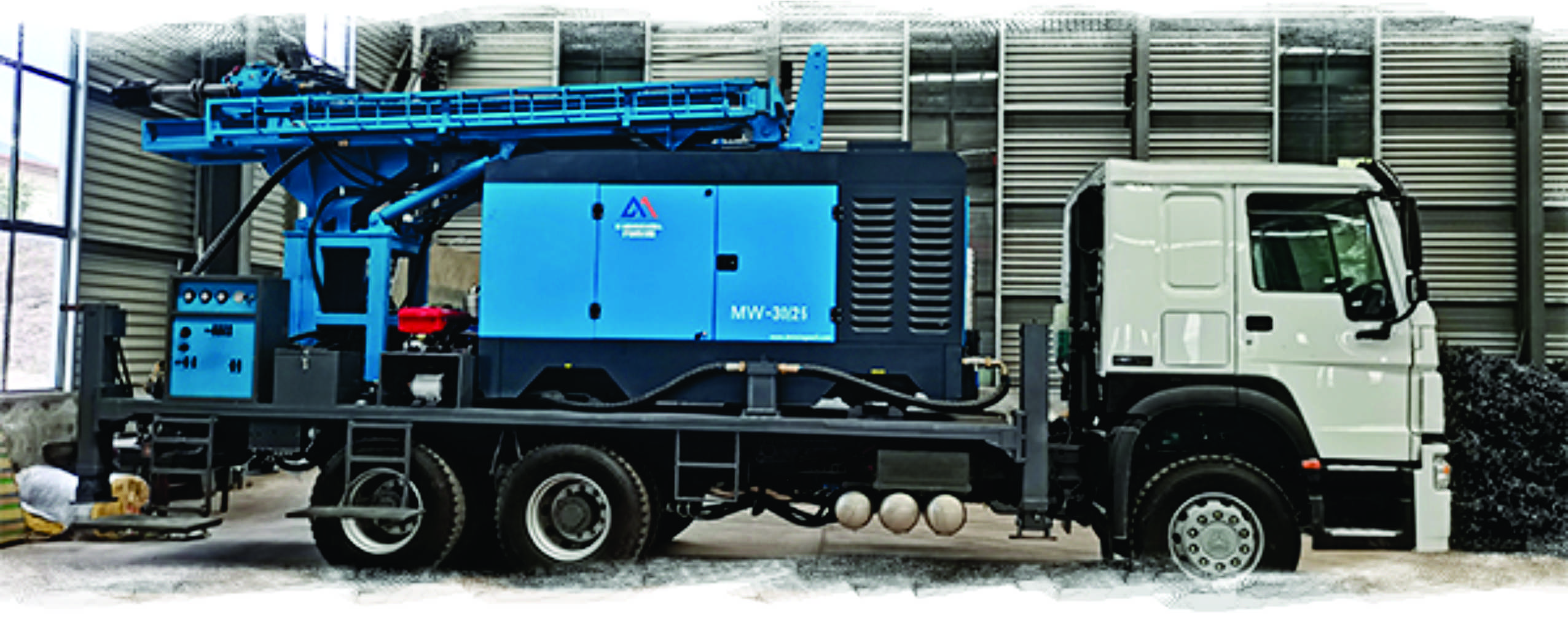
After the client has approved the job, we proceed with scheduling and then drilling the borehole. Once we reach the ideal depth and find a suitable water source, we finalize the process by casing the borehole, adding in a sump, and clearing the borehole shaft of debris.
We make use of the latest technology to get reliable results
We have a 99% success rate in drilling for water. This is because we do two things exceptionally well. Firstly, we use leading edge technology to find water under your property and secondly, we make use of the latest in precision air compressed drilling techniques to drill straight, high quality boreholes up to 400 meters deep. It is vital to remember that the biggest cost associated with a borehole, is drilling the borehole. It is therefore best to know if you have water before you drill so that you don’t end up with a dry borehole that you still need to pay for.
What do we do before we start to drill?
To achieve optimal drilling results, there are several things that we consider:
Best placement: Using the information from the borehole water survey we pinpoint the place on your property that has best chance of intercepting the underground aquafers and subterranean river systems.
Appropriate access: We determine the optimal access point for our equipment.
The right drilling rig for the job: The rule of thumb is that the deeper the borehole, the bigger the drilling rig needs to be.
Type of formation and rock we drill through.
How does the borehole drilling process work?
When we have completed the borehole water survey, and you have approved our quote and paid your deposit, we schedule the drilling of the borehole.
Our team will arrive and prep the area where drilling will take place. Please note that drilling is very loud and very messy.
Once fully prepped we will commence with drilling.
We take soil samples every meter. This is essential since the type of soil/rock affects the type of drill bits we need and is used in conjunction with the yield test to certify the borehole.
When we find water, we check if the pressure is sufficient to produce the yield you require.
Once we are confident that we have found a suitable source we need to clear the borehole from debris.
At this stage the final PVC casing is inserted, and a sump is added to the borehole to ensure a clear supply